
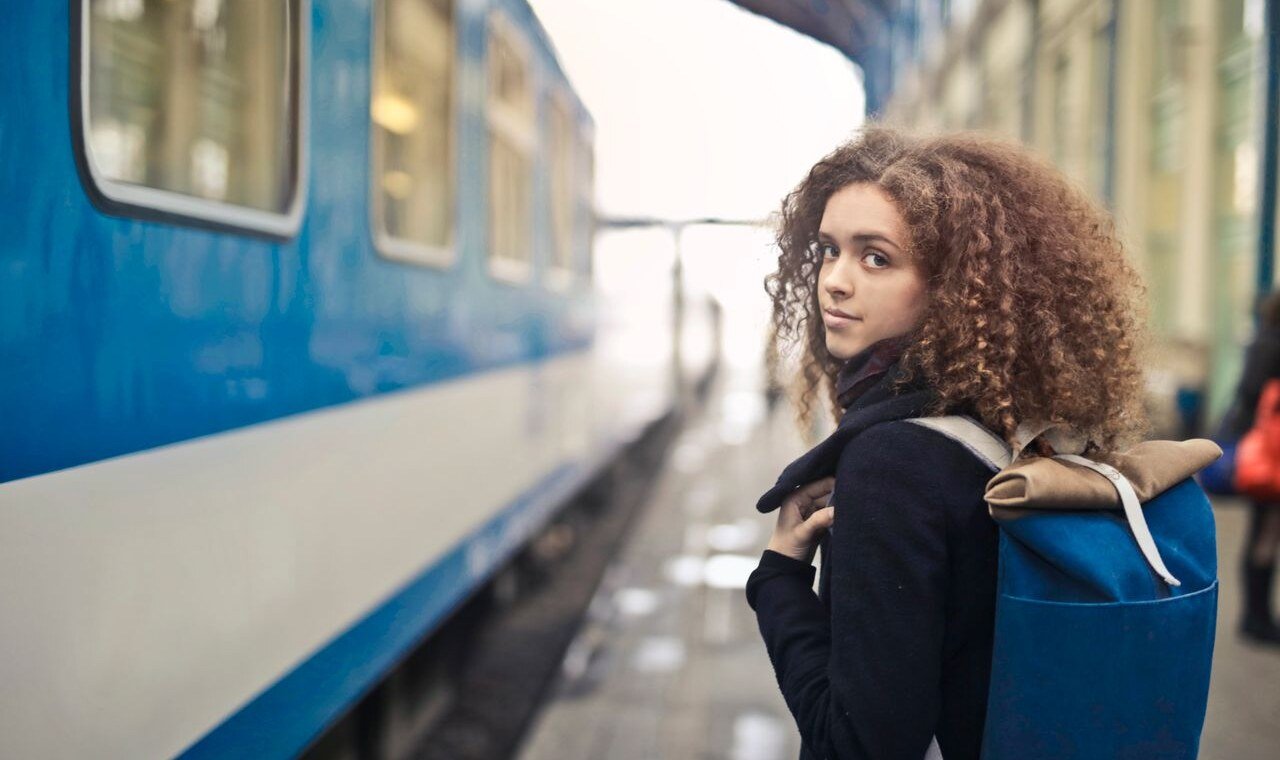
ON THIS PAGETable of contents17 sectionsShowHide⌄
Traveling solo may be the most empowering way to live a lifetime. Taking things slow and enjoying a fresh setting on your own accord, with the choice to stumble into new adventures is such an incredible way to encourage yourself while collecting those once-in-a-lifetime experiences!
Travelling solo may also call for extra planning and preparation when it comes to women. Solo female travel should not be motivated by fear, but being informed and prepared can help instill confidence in you on your road. Whether it is selecting a destination, looking for appropriate accommodation, controlling budget or connecting with friends back home there is a need to give more time in order to make travelling smooth and fun.
To prepare for a trip that is safe, comfortable and chock-full of excitement, check out these solo female travel planning tips if you are either. returner to luxuriate in your single adventure or want more ways to improve the experience as much as possible.
Also Read: 10 Best Luxury Beach Hotels in the USA for Unforgettable Coastal Stays
1. Choose a Destination That Matches Your Comfort Level
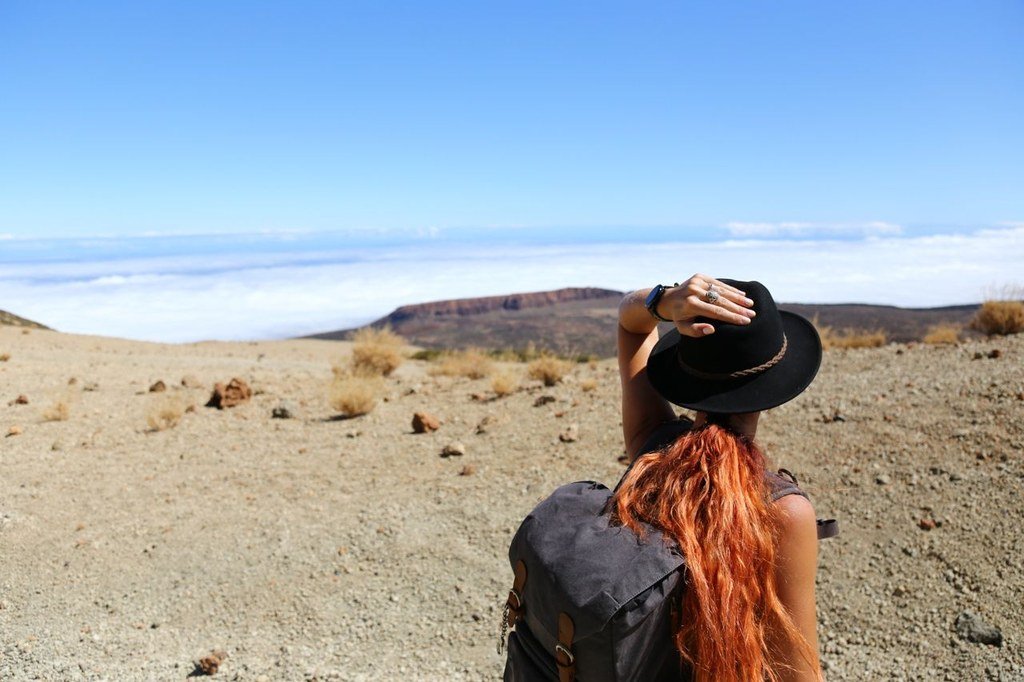
Foremost, one of the most important steps when planning a solo trip is picking your destination. For your first solo trip, find a place that is well-known for being friendly to tourists, easy to get around in and with plenty of public transport links.
You should book your tickets only after researching the destination well. Find details on local transportation, accommodation options, weather, cultural practices, and tourist attraction areas.
So, keep in mind your travel wishes as well. Some travelers like quiet mountains, some like busy cities, beaches, and cultural sites. Going to a place that suits your interests can make solo travelling a sweet experience.
Another good rule is not to create a too complicated plan for your first solo trip. Somewhere that has easy access to transport and readily available accommodation can make life more comfortable for you.
2. Research the Destination Before You Travel

Some quality research can go a long way for your travel experience. Prepare even before you leave your home. It is most important to know your destination and the places where you plan to visit.
While researching the destination for a female solo trip perspective, check details such as:
- Safe and popular neighborhoods
- Local transportation options
- Average travel costs
- Weather conditions
- Tourist attractions
- Emergency services
- Local customs and cultural expectations
- Common tourist scams
Don’t forget the other solo female travelers and see what was thier experience from their trip.
But keep in mind that one traveler’s experience won’t be the same as the next. Always trust what you find online, but know that your decisions should be made accordingly to how comfortable with traveling you feel.
Before going to the next point, it is highly advised to create a custom solo travel checklist here to organize your travel planning and packing.
3. Create a Flexible Travel Itinerary
An itinerary might be helpful, but micro planning every minute of your trip leads to stress most of the times. Instead, have a loose plan and write your major transport bookings, where you will stay, and any significant attractions that you want to see.
For example, you can plan:
- Arrival and departure times
- Hotel check-in and check-out
- Major sightseeing activities
- Day trips
- Transportation between destinations
- Emergency contact information
Keep a bit of extra time in your schedule, who knows you will find an unexpected hidden gem to spend some time thier and relax. And that’s the greatest perk a solo travel gives you, freedom to do what you like as per your desires.
Also Read: How to Build a Multi-City Itinerary That Actually Works
4. Book Accommodation in a Safe and Convenient Location
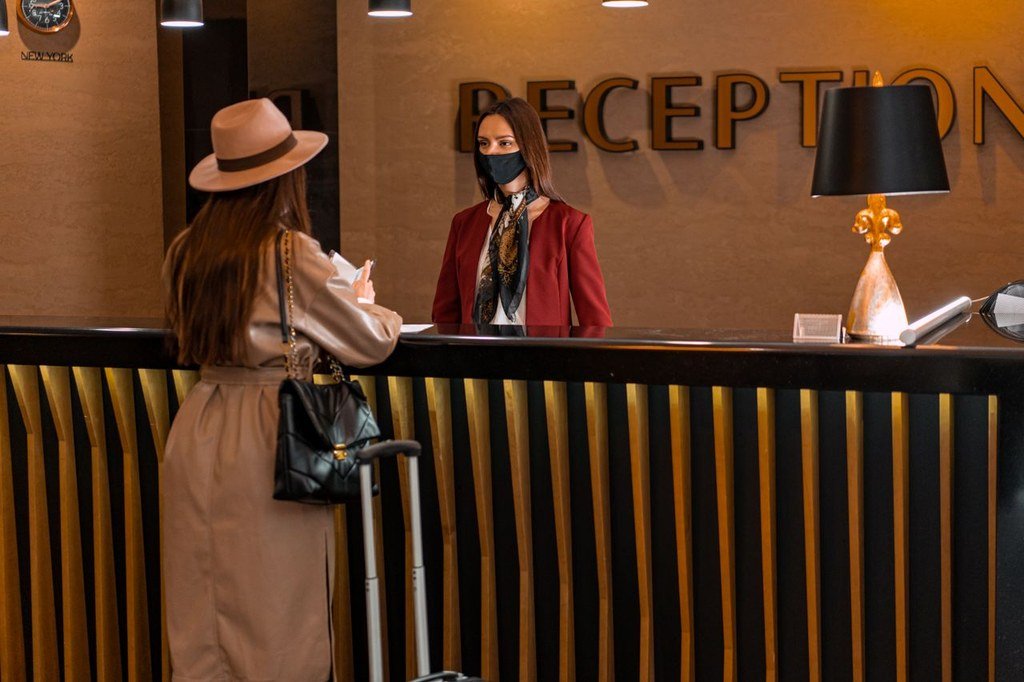
Your accommodation is key to your overall solo travel experience. When travelling alone, make sure to book a hotel/hostel/lodging/home stay that is hosted in a safe place and is easily located.
Read recent reviews before making a booking and check the property location on a map. Search for accommodation near to public transport, touristy areas or well connected neighborhoods.
Important things to consider include:
- Secure entry systems
- Good traveler reviews
- Reception or support availability
- Safe surroundings
- Reliable transportation access
- Clean and comfortable facilities
Do not book accommodation just for the lowest price. While money-saving is important, it also shouldn’t be at the cost of your comfort and peace of mind.
As soon as you reach, explore the building, including emergency exits and local outlets like pharmacies or restaurants and transport options.
5. Share Your Travel Plans With Someone You Trust
Before leaving your place on your own, share some of your important travel information with a trusted family member or friend. It is better if you have a known person around the destination you are planning to visit.
You should provide information about your:
- Flight or train details
- Accommodation bookings
- Planned destinations
- Emergency contacts
- Important travel documents
Whenever you reach a new spot or change plans, it helps to update someone. You do not have to record all your activities.
6. Keep Important Documents Secure
Another one of your priority should be to keep your important documents safe when you are travelling alone. Organise and secure your passport, ID cards, travel insurance information, tickets and payment cards.
Keep digital copies of key documents separate from the originals. You can simply save duplicates online or in a secured electronic folder that you can access if essential.
Splitting your cash and cards, rather than keeping everything in one location, is not recommended. For instance, you can keep a secondary payment card that’s separate from your main wallet.
It can be useful in case you lose something when being on the way.
Also Read: Airport Transfer Planning: How to Avoid Arrival-Day Stress
7. Carry Personal Hygiene Products
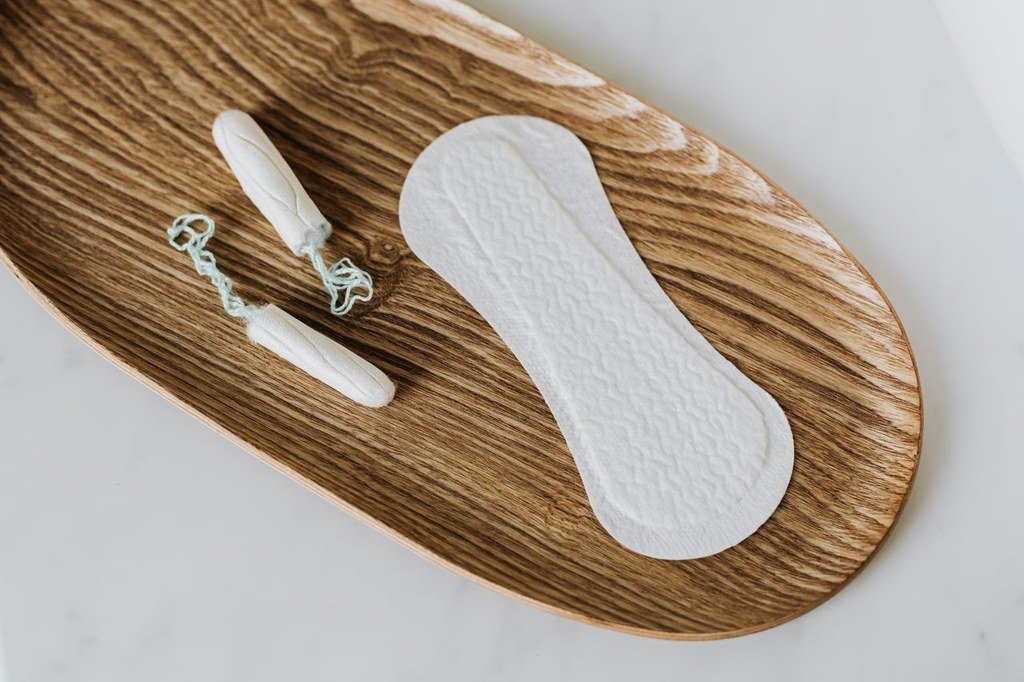
When traveling solo, maintaining your personal hygiene is the most difficult task. Different destinations may have limited access to familiar products, so it is useful to pack a few essentials before you leave.
- Sanitary pads or tampons – Carry enough as per your expected period cycle, plus a few extras in case your travel dates change.
- Panty liners – Useful for everyday freshness, long journeys, or unexpected spotting.
- Intimate hygiene products – A gentle, travel-friendly intimate wash is very useful, especially if will travel to a hot climate destination or for several days.
- Body wipes – Handy when you don’t have immediate access to a shower, especially during long flights, road trips, or outdoor activities.
- Hand sanitizer – Keep one easily accessible for use when soap and water aren’t available.
- Tissues or toilet wipes – Useful when traveling between destinations or using public restrooms.
- Period pain relief essentials – If you experience period discomfort, carry whatever products you normally use to manage it.
- Disposable bags – Small sealable bags can be useful for discreetly storing used sanitary products or other personal-care waste until you find an appropriate disposal bin.
Make sure to use high quality products like Plush or any other brand your skin is comfortable with.
Travel tip: Pack these products in a small, waterproof hygiene pouch and keep it in your carry-on or day bag. This makes your essentials easy to access without having to unpack your entire luggage.

8. Pack Light and Smart
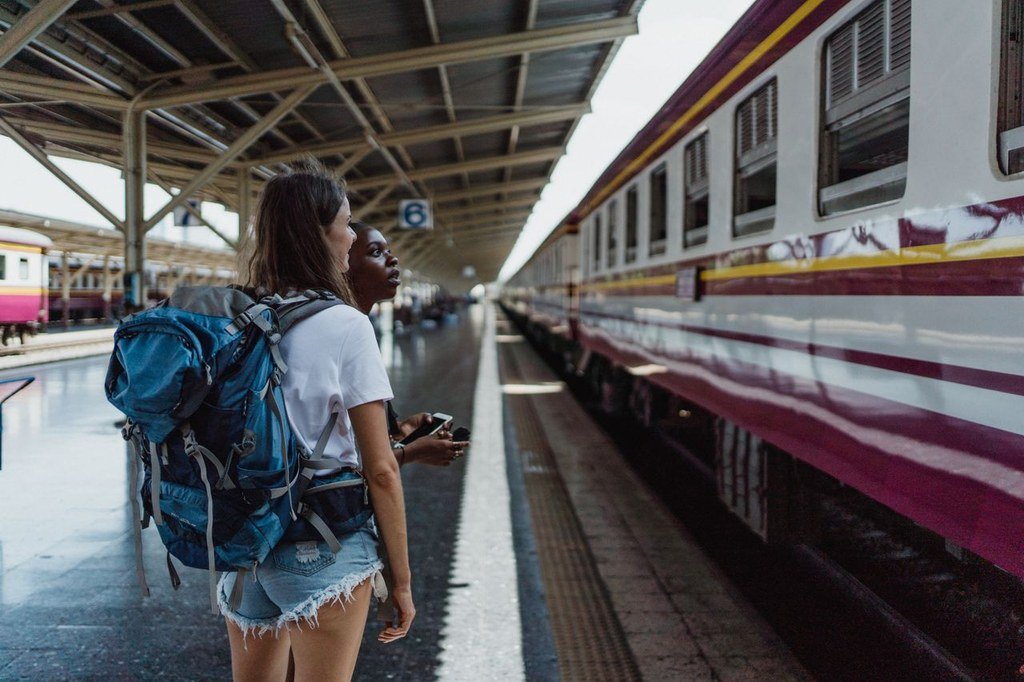
The important thing you need to keep in mind is to make your luggage as light as possible. As traveling solo, you will have to keep track of everything on your own.
Opt for mix-and-match pieces and pack for the weather & local culture. Wearing comfortable shoes is necessary if you are going to walk a lot.
Items you should have in hand are:
- Portable charger
- Reusable water bottle
- Basic first-aid supplies
- Travel adapter
- Small lock
- Comfortable walking shoes
- Important medications
- Emergency contact information
Try to avoid over packing. If you have a lighter bag, you can move between airports during long layovers, hotels, public transportation and sightseeing places more easily.
9. Manage Your Budget Carefully
One of the reasons solo travel is more costly is that you have no travel companion to split the cost of transport or accommodation! You can make a budget before your trip to keep track on how much you spend.
Base your budget on the following categories:
- Transportation
- Accommodation
- Food
- Activities
- Shopping
- Emergency expenses
Always have some spare cash for emergencies. Plans change, an emergency budget will be your life saviour in many cases.
Some money saving tips while travelling includes, book your transportation as early as possible, rather than sort through expensive options that risk breaking your trip; select low-cost accommodation, consider public transport to stay mobile without a vehicle; and identify free or cheap sites/activities to explore.
However, do not sacrifice your comfort or safety simply to save a penny. But, don’t overdo the money saving, your comfort and health should be your first priority instead to save money. Keep in mind that you are spending on your experience not the location.
Also Read: 15 Fun & Exciting Activities to Do in Portland, Maine
10. Trust Your Instincts

While travelling solo, your gut can be a greatest guide. If something, someone or some place makes you feel uncomfortable, DO NOT IGNORE THE FEELING.
You do not have to be polite at the risk of your own well-being. They say that you can exit from a situation without guilt if you want to.
Trusting your instincts may mean:
- Leaving an uncomfortable location
- Declining unwanted conversations
- Changing your plans
- Asking for help
- Choosing a different route
11. Avoid Sharing Too Much Personal Info
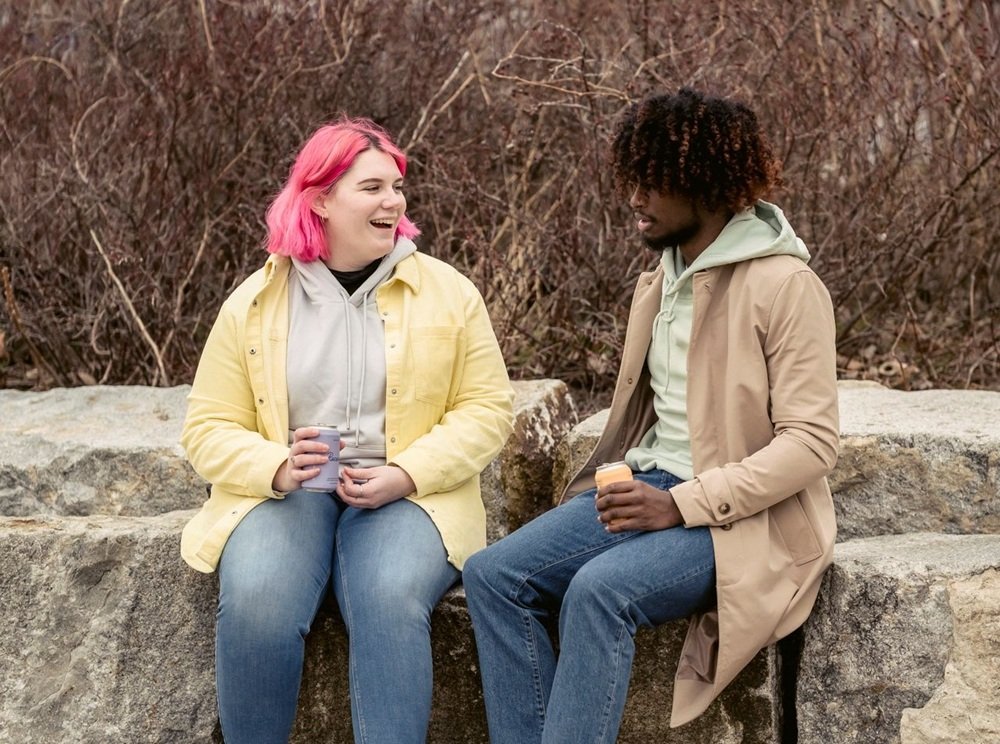
One of the most exciting part of travelling is meeting new people. But be careful, dont over share on anything which can be used again you in any way.
Try to avoid sharing on social media as well. There are times when it makes better sense to share your first-hand experiences after you left the location.
You can still be friendly, social and open to meeting people, while also having good boundaries to maintain while socializing.
12. Stay Connected and Keep Your Phone Charged
Your phone is the most important gadget while travelling. You can use it for maps, to contact accommodation providers and transport services as well as family and friends.
Download apps and offline maps for your destination before you travel.
Make sure you have access to:
- Navigation tools
- Emergency contacts
- Transportation apps
- Accommodation details
- Translation tools
- Digital payment options
A portable charger can be super useful too, especially for long days of sightseeing.
If you’re going to travel internationally do some research on local SIM card or eSIM for international travel choices so you can remain connected at the appropriate times.
13. Give Yourself Permission to Enjoy Your Own Company

Learning to be your own best friends is one of the most rewarding things any human can experience about travelling solo!
At first you might feel left out but, these moments can slowly turn into some of the highlights of the experience.
You can do as you please when traveling solo:
- Wake up when you want
- Visit places that interest you
- Change your plans
- Have more time enjoying your favorite attractions
- Take breaks whenever needed
Also Read: Solang Valley Travel Guide: Activities, Experience & How to reach?
Conclusion
Solo travelling for females is indeed an empowering feeling to your soul. Exploring new places gives you confidence, and new memories of your own. An experience you should have in your bucket list if you dont have now.
No checklist removes all risk, and women are not responsible for others’ behavior.
Trust your instincts, leave room for spontaneous detours, and remember that you are far more resourceful than your doubts suggest. The world is wide, welcoming, and ready for you. Take a deep breath, book that ticket, and step forward into your own story.
All the best & Happy Journey 😍!
Frequently asked questions
Should every day be booked in advance?
No. Reserve the parts that can sell out or would seriously affect the route. Keep at least one block flexible for rest, weather or a recommendation discovered locally.
How do I keep this plan realistic?
Check door-to-door travel time, group nearby places and remove the lowest-priority stop before the trip begins. A comfortable buffer is part of the itinerary, not wasted time.