
ON THIS PAGETable of contents12 sectionsShowHide⌄
A first-time two-week Europe itinerary using three bases, rail-friendly connections and full days instead of constant check-outs.
Two weeks in Europe does not require seven countries. Three well-connected bases offer different moods and far more usable time than a rapid collection of capitals. It is designed as a starting point rather than a rigid schedule: confirm current opening times, transport, weather and entry requirements before committing money.
At a glance
- Planning focus: 14 day Europe itinerary
- Best for: travellers who value realistic pacing and useful local context
- Planning style: one clear priority, nearby supporting stops and a flexible backup
- Before booking: verify official rules, seasonal access and total journey time
How to structure 14 day Europe itinerary
Days 1–4 — First gateway city
Choose an arrival city with simple airport transport. Use the first day gently, then explore by neighbourhood for three full days. Keep enough time for the journey between stops, a proper meal and the ordinary moments that make the day feel like travel rather than logistics.
Days 5–9 — A contrasting second base
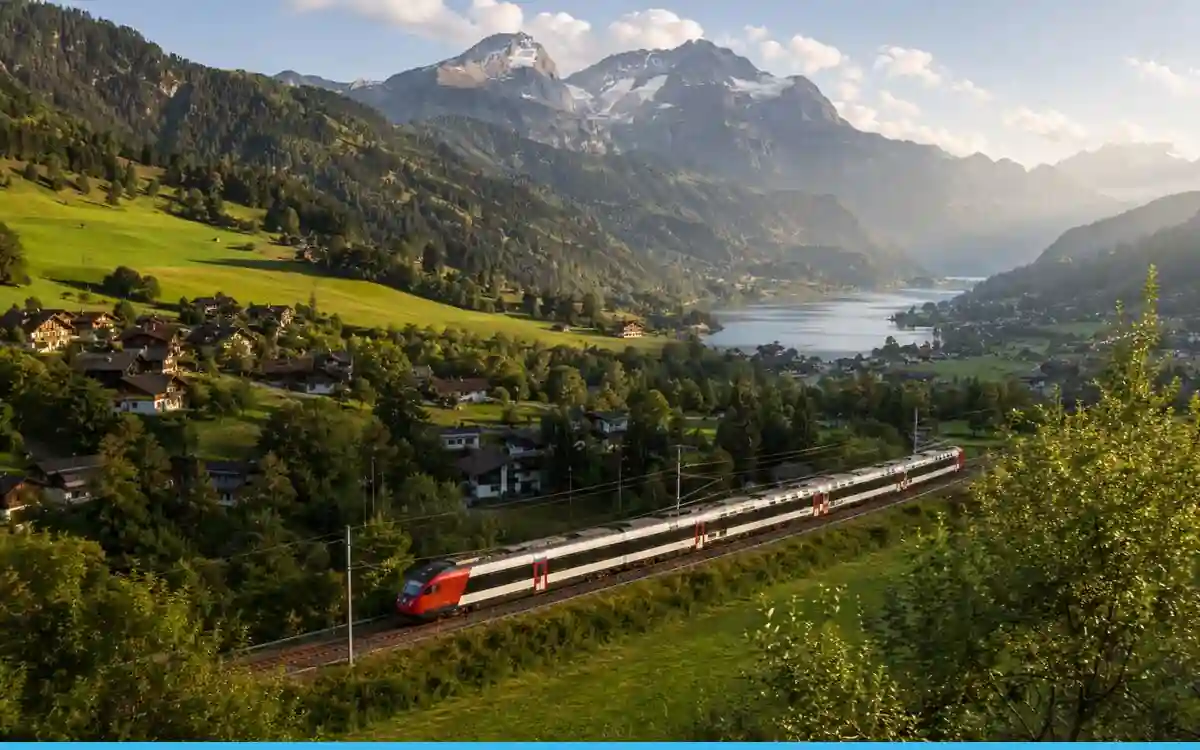
Travel by a direct daytime train where possible. Select a smaller city or landscape that changes the pace and food culture. Keep enough time for the journey between stops, a proper meal and the ordinary moments that make the day feel like travel rather than logistics.
Days 10–13 — Final region near the outbound route
Move once more to a place with reliable access to the departure airport and avoid inserting a one-night detour. Keep enough time for the journey between stops, a proper meal and the ordinary moments that make the day feel like travel rather than logistics.
Day 14 — Protected departure
Keep the last night in the outbound city or within a robust direct connection. International flights deserve more than hopeful timing. Keep enough time for the journey between stops, a proper meal and the ordinary moments that make the day feel like travel rather than logistics.
A useful itinerary is not the one with the most pins. It is the one you can enjoy without constantly checking the time.
Practical planning notes
- Use official rail sites to compare schedules.
- Avoid booking the first morning activity after long-haul arrival.
- Check whether city taxes are paid separately.
- Keep important addresses, tickets and emergency information available offline.
- Review the plan again 48 hours before departure for closures, strikes or weather changes.
Budget and booking approach
Divide the budget into transport, accommodation, food, experiences and contingency. Price the complete journey rather than selecting the cheapest headline fare. Book limited-capacity essentials first, but keep ordinary meals and flexible activities open until the route is certain. This protects both money and spontaneity.
Frequently asked questions
Should every day be booked in advance?
No. Reserve the parts that can sell out or would seriously affect the route. Keep at least one block flexible for rest, weather or a recommendation discovered locally.
How do I keep this plan realistic?
Check door-to-door travel time, group nearby places and remove the lowest-priority stop before the trip begins. A comfortable buffer is part of the itinerary, not wasted time.
Final thought
Use this 14 day Europe itinerary guide as a framework, then adjust it to your energy, interests and current local conditions. The best version of A Practical 14-Day Europe Itinerary for First-Time Visitors should still leave room to notice where you are.