
ON THIS PAGETable of contents25 sectionsShowHide⌄
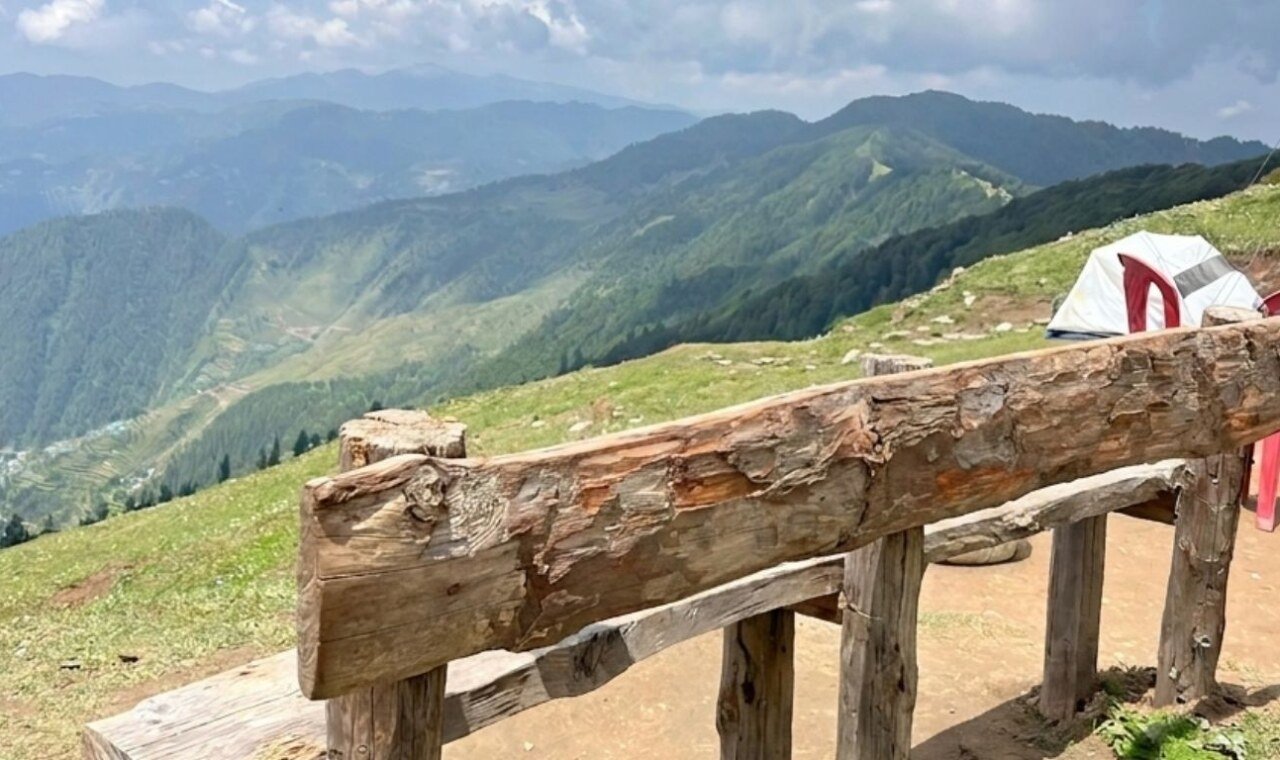
Jalori Pass is one of those captivating mountain destinations in Himachal Pradesh which will satisfy visitors with endless natural beauty. This is a sublime mountain pass that sits at an altitude of around 10,800 feet (3,120 m), connecting Banjar Valley with the picturesque Anni region of Kullu district.
Unlike most congested hill stations, Jalori Pass is a breath of fresh air as visitors walk into thick deodar forests, rolling green meadows and misty mountains alongside streams and beautiful Himalayan villages.
Along with its the lush greenery, Jalori Pass is also well known due to the thrilling trekking trails towards Serolsar Lake and Raghupur Fort. Some trekkers prefer to camp beneath night sky to experience the stars and sit back at local tea stalls, treat themselves with scrumptious Himachali food. And don’t forget to click snaps at the iconic mountain swings found on this trek route.
If you are looking for perfect summer weekend near Delhi or exploring hidden gems of Himachal Pradesh, this travel guide will help you know everything about visiting this amazing mountain paradise.
Also Read: Hotel Hopping: When Multiple Stays Improve a City Trip
Where is Jalori Pass?
Jalori Pass is located beautifully in the Kullu district of Himachal Pradesh between Banjar and Anni as a popular hill pass. It is situated about 12 km from Shoja, around 32km from Banjar, nearly 75km from Kullu, and some 445 km away from Delhi.
This is one of the most beautiful mountain drives in North India as it leads to Jalori Pass. The journey of each kilometer offers magnificent landscapes with cedar forests, winding roads, deep valleys, small villages and visible peaks of the Himalayas covered in snow. The surrounding valley views of the place make it also known as 360 degree view among travelers.
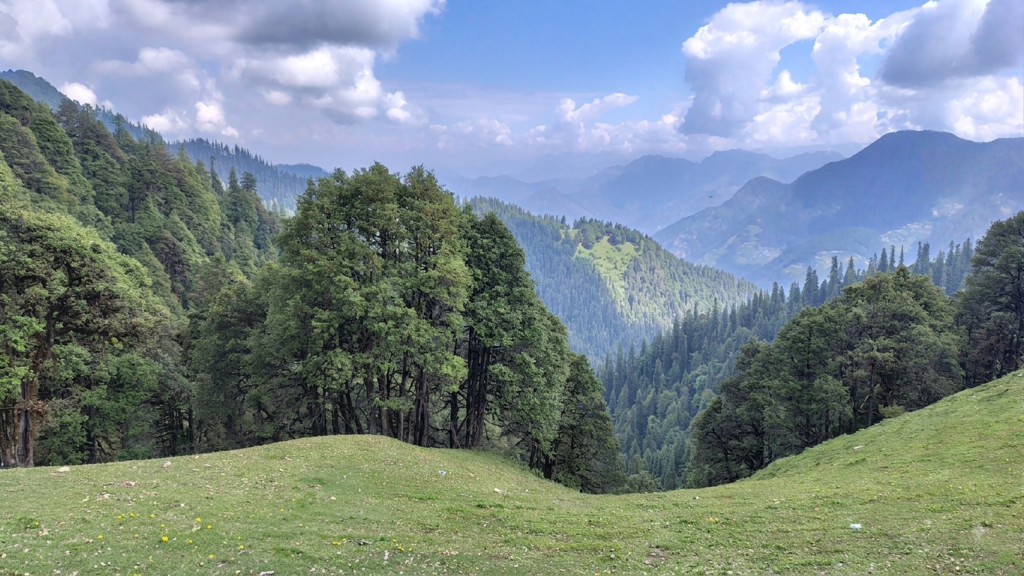
Also, it becomes an ideal base to explore Tirthan Valley plus Shoja plus Serolsar Lake and Raghupur Fort.
Also Read: Jakhu Mandir Shimla: Travel Guide to Tallest Hanuman Ji Statue
Why is Jalori Pass Famous?
Nature lovers, trekers and hikers love to explore Jibhi again and again. It still raw and untouched because it has not seen the commercial tourism make over yet that other places have gone through.
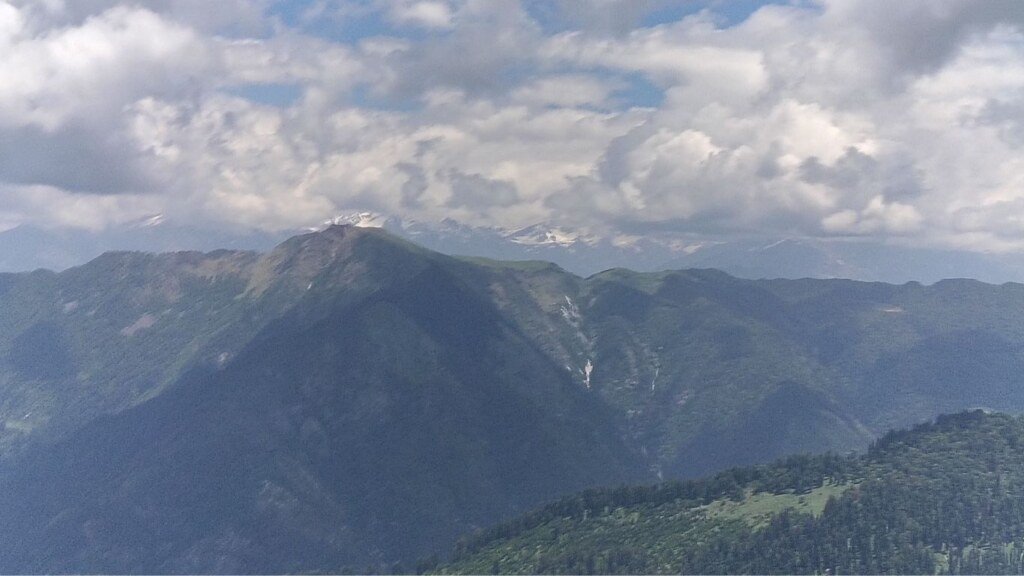
As the sun rises and sets, all of the nearby peaks shine in light that seems like it should be on a postcard somewhere. The serenity alone, provides for meditation, photography and even lounging.
The famous Jalori Pass Trek to Serolsar Lake and the Raghupur Fort brings in adventure lovers. Wooden bridges that lead to flowering meadows, and dramatic views across dense forest make the trekking experience all the more rewarding.
The other important highlight of this trek is famous mountain swings placed closer to the trekking route. These swings are placed between lush greenery and deep valleys facing one of its most photographed spots around Jalori Pass.
And camping, birdwatching, nature walks and a little snowfall in winter add further beauty to this Himalayan heaven.
Also Read: Quiet Travel: How to Plan a Restorative Nature Trip
History of Jalori Pass
Jalori pass carries a historical importance as one of the main route connecting various villages of Kullu region with Shimla and other neighboring valleys. Even before the modern roads, this pass was traversed by traders transporting goods and livestock with local villagers.
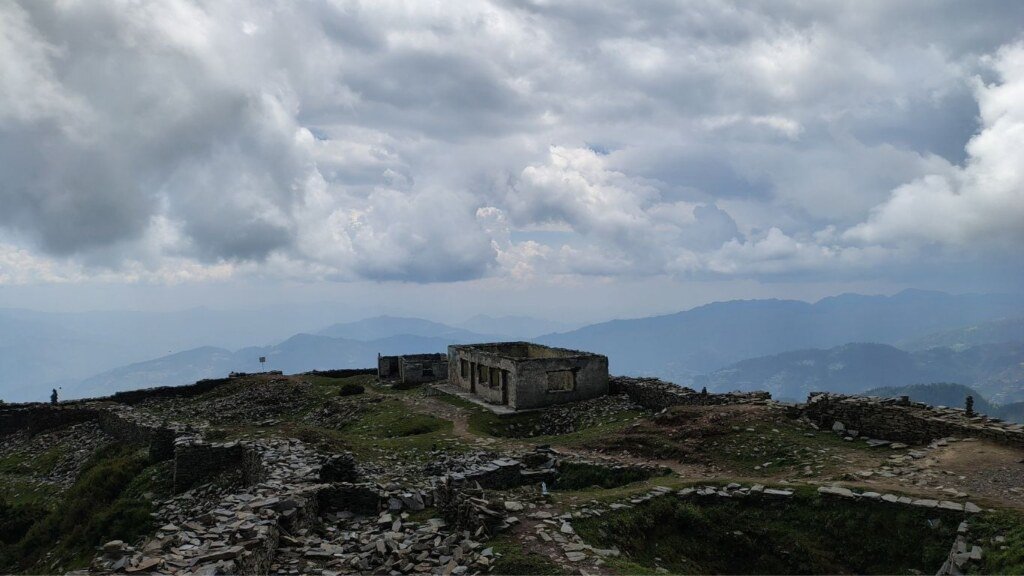
Raghupur Fort is the evidence of its ancient and rugged military past which was once a strategic military watchpoint.
Best Time to Visit Jalori Pass
Every season gives unique colors to Jalori Pass which makes it a visitable through out most of the year. No matter what season it is, you must put some warmer clothes on you before heading to the highest areas and waterproof jackets, gloves and comfortable trekking couple or shoes.
It is also advisable to check the weather forecast just before planning your trip as winter and monsoon can be thorny spice anywhere.
Summer (April to June)
Summer might be the most pleasant of seasons. The climate remains mild with temperature varying from 10°C to as high as 22°C and clear skies offer magnificent views of the neighbouring Himalayan peaks. Even at peak summer, mornings and evenings are cool enough to need light jackets.
Monsoon (July to September)
Owing to monsoon, it becomes a green paradise with greenery across the region. They added that heavy rainfall could make roads slippery and trigger isolated landslides but that “advisors should drive with caution again.”
Winter (October to February)
In winter, flurries of snow will bury Jalori Pass under a mountainous sea of white. If you’re a snow lover, be sure to visit in December and January, although snowfall can run riot with road closures. Winters can get very cold, with temperatures below 0 degrees and much of the region covered with snow.
Also Read: How to Build a Multi-City Itinerary That Actually Works
Outdoor Activities to Enjoy the Himachali Himalayan Hills
Trek to Serolsar Lake
Framed by thick forests of towering firs and spruces, this emerald, trans-cool framed water body feels divine to find. Serolsar Lake in Parwanoo, Himachal Pradesh is one of the most commonly trekked paths to experience stunning Serolsar lake.
The trail is about 5 kms one way, which takes between two to three hours depending on your speed.
The trail is vastly easy to trek, meaning it is suitable for someone doing a multi day trek for the first time. Visitors have few halts at wooden benches, tea stalls in peak tourist months and gets mesmerized by the scenic views of native valleys of the Himalayas.
Famous Swings on the Jalori Pass Trek
Every tourist has a chance to snap at this picturesque swings are thrill but are clearly safe producing maximum Instagram story photographs. This is a great place to catch your breath, feel the cool air blowing through your hair and absorb the stunning scenery before you set off again.
These swings are catching up to become one of the main attractions at Jalori Pass.
Trek to Raghupur Fort
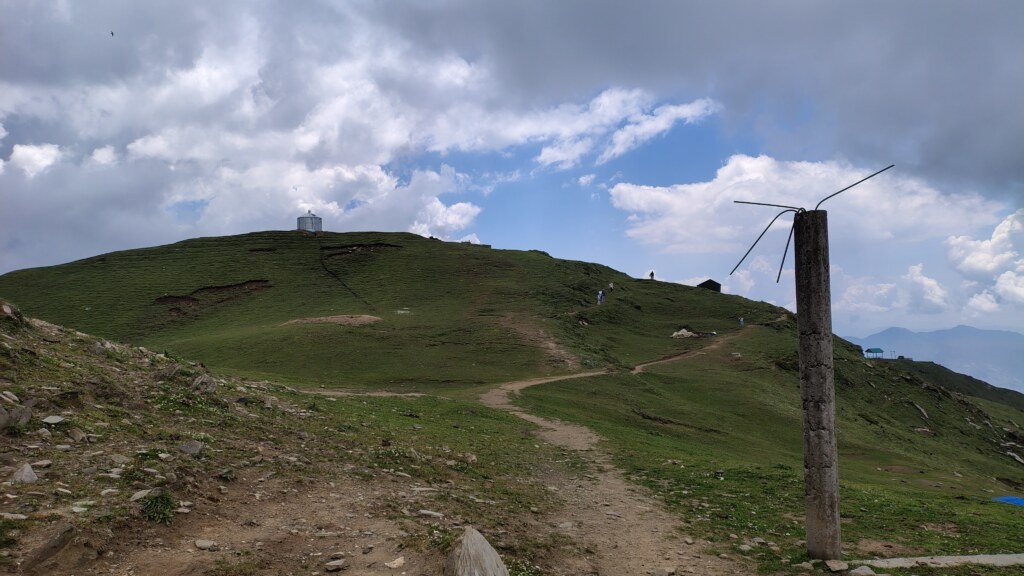
Another popular but slightly more challenging trek from Jalori Pass takes you to the highest point of the town where Raghupur Fort stands tall with rich history.
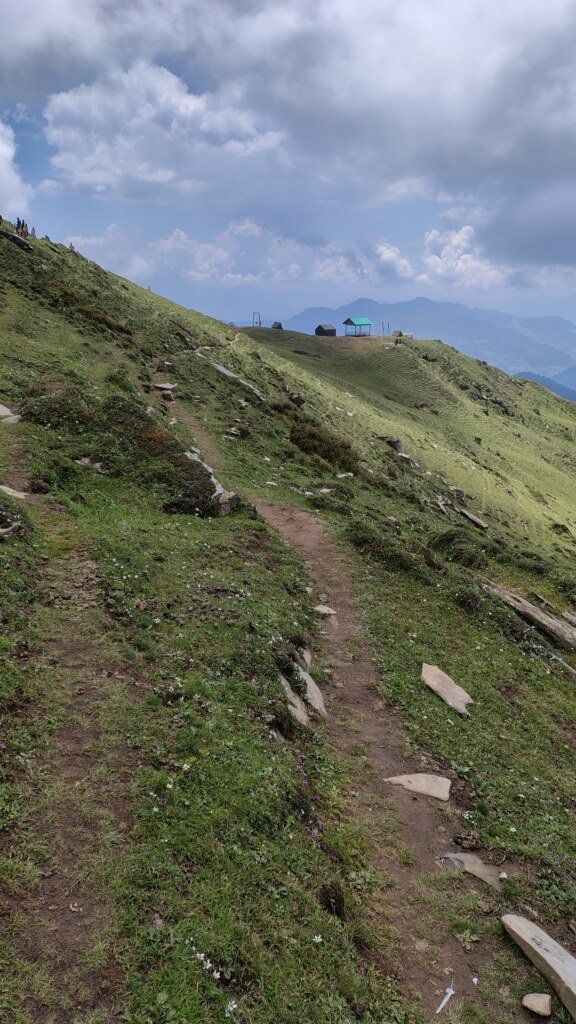
With the crumbling ruins of an ancient fort, it is a testimony of its storied past and its views across one of the finest in Himachal Pradesh.
Temple at Raghupur Fort
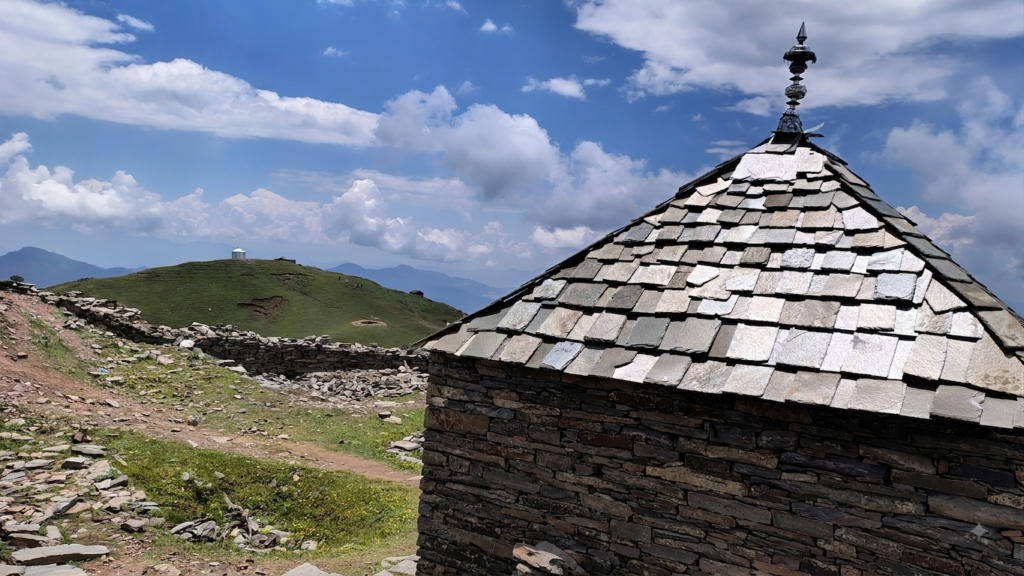
Beside the fort ruins is a small local temple to the village deity, an important shrine for area residents. This temple has high devotion among local people and local residents visit regularly especially during important festivals. Set against a serene environment, colourful prayer flags fluttering in the breeze with mountains surrounding this place – all harmonize and blend well with the historical aspect of how the fort has existed.
Jalori Pass Night Camping Under the Himalayan Sky
Jalori pass camping is one of the major attractions for travelers looking to enjoy some real and raw outdoor experience at this destination.
You will never forget a night under tall deodar trees, with cold mountain breeze blowing and countless stars in the sky. Camping allows tourists to retreat from the hustle and bustle of urban life and connect back to nature in its purest flavour.
There are quite a few private campsites at the top of Jalori Pass which provide tents with bedding, bonfire arrangements, local meals, and basic washroom facilities.
The night camping is most popular between April and June and then from September to November months when the temperatures remain pleasant and skies are generally clear.
Experience Local Culture via Shopping and Eating at Stalls
Jalori Pass is a remote mountain destination, but there are still some food shops and tea stalls at the top and nearby the parking area. Not only do these modest stalls provide comfort and accessibility along the route, they also allow travelers to rest before or after the hike.
All the shops sell water bottles, tea and coffee, instant noodles, biscuits, chocolates/cakes/chips & cold drinks / packed food as well. There are also certain local vendors that will sell additional items like woollen caps, gloves, socks, authentic souvenirs, walking sticks as well as small religious artifacts.
Local shopkeepers here have warm hospitality and many travelers enjoy conversing with them to learn about the culture and life of the region.
Difficulty Level of the Jalori Pass Trek
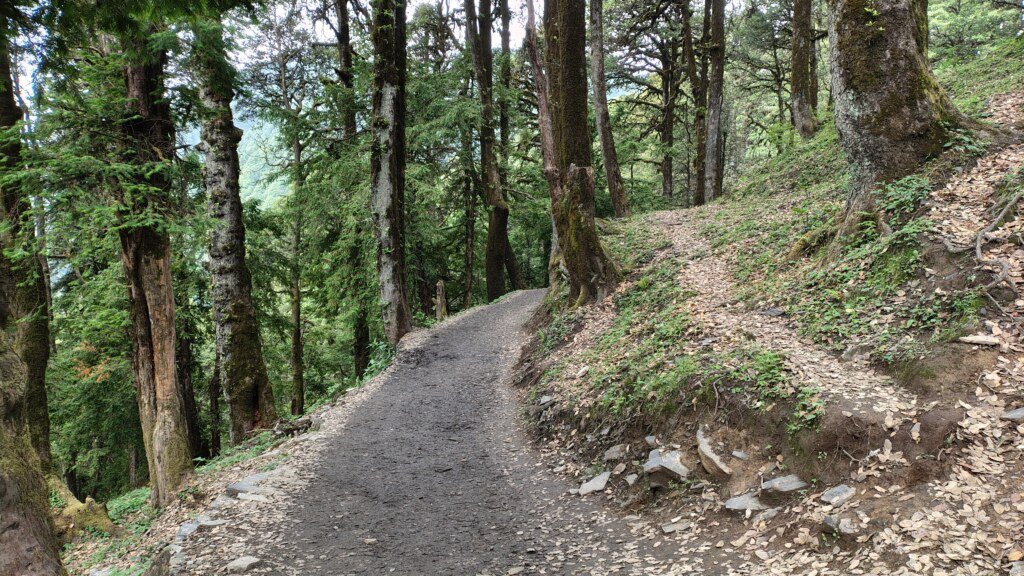
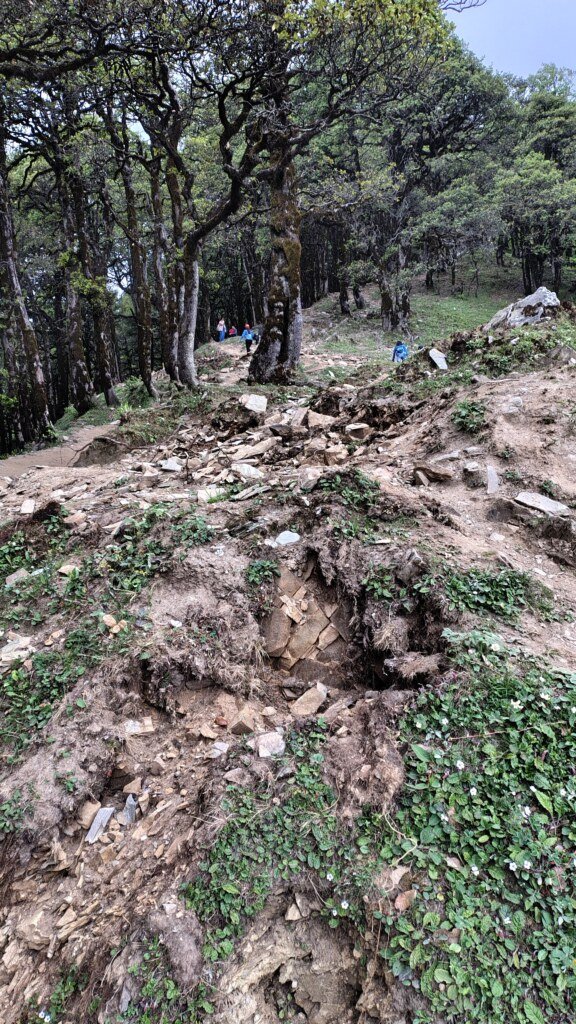
The jalori pass trek trek is usually categorized as easy to moderate.
- With a decent pair of walking shoes and enough drinking water, beginners, families with older children, and those who hike less regularly can easily complete the trek.
- While there are sections that climb uphill, it is easy to follow the path — and shaded by dense forests — which makes the journey a pleasant one.
- Frequent breaks, relaxing clothing, slow-paced walking are for making sure visitors can grasp the beautiful views of this Himalayan beauty.
Delicious Food Available Near Jalori Pass
Food is pretty basic, fresh and tasty around Jalori Pass. Where every hill station is flooded with fancy restraunts, Jalori Pass serves home like cooked food at places since there are small Himalayan villages surrounding this area.
For the travelers, hot Maggi noodles, freshly cooked parathe with butter and rajma chawal, kadhi chawal, vegetable curries served with rice and dal followed by pakoras, omelets sandwich & bread with butter/jam. Still, hot tea and coffee are the most popular drinks in the cold mornings and evenings.
There are few cafes also serving the North Indian food, Chinese Items, momos, thukpa, pasta and pizza pancakes and homely desserts.
Travellers keen to discover the real tastes of Himachal will also be advised Siddu, Madra, Chha Gosht and local pulses whenever available. This authentic experience of taste widens the horizon to the traditional culinary heritage of Himachal Pradesh.
Entry Fee of Jalori Pass
Visitors reaching Jalori Pass are required to pay a nominal fee of ₹20 per person collected by local authorities. This modest charge helps support forest conservation, trail maintenance, and waste management, ensuring the pristine alpine environment around the Jalori Pass.
Trekkers visiting there by car or bike can take benefit of parking facilty available right next to the main road near the starting point at Jalori Pass. Most of the time during weekdays and in the off season parking is easy.
The parking area is the most convenient access to trekking trails, nearby food stalls and sightseeing points. Roads in the mountains are narrow, so visitors should not park by the sides of roads to keep traffic flowing.
How to Reach Jalori Pass?
Despite being in a remote area, it is quiet convenient to reach Jalori Pass from any destination.
By Road
Road connectivity of the Jalori pass from Banjar, Jibhi, Shoja, Kullu, Mandi and Aut. Taxis can be hired by travelers or they can drive their own car but driving experience is preferable, especially in the on-road mountain winding roads.
By Bus
Delhi, Chandigarh, Shimla and Kullu have regular bus connectivity to Banjar or Aut. You will get local taxis from there to reach for Jalori Pass. If you are traveling from Delhi, then you can book one of various group travelers. They have Force Traveler busses for JIbhi travelers including your all sightseeing and activities.
By Train
The nearest major railway station is at Chandigarh (Chandigarh Railway Station). Visitors can continue by bus or taxi from Chandigarh.
By Air
The nearest airport is Bhuntar Airport (located at a distance of 80 Kms from Jalori Pass, near Kullu). You can get taxis from the airport readily.
Travel Tips for Visitors
The temperatures can quickly become chilly, therefore it is best to pack warm clothes, even in the summer time to make your journey comfortable and safe. Wear good trekking shoes with a firm grip, as they can become slippery when rains fall into mountain trails.
- You can carry drinking water, sunscreen, sun glasses and basic medicines. Some regions have limited mobile connectivity, and its definitely easier if you have offline maps downloaded in advance.
- Do not throw litter anywhere and do not degrade the beauty of the Himalayas. Follow the local customs and keep quiet around temples and sacred sites.
Especially during the winter months, roads may temporarily close due to snowfall. So always check road conditions and the weather forecast before starting your trip!
Don’t forget to create a mountain packing checklist to avoid leaving your essentials behind.
Conclusion
JaloriPass is more than just the aesthetic mountains its an ideal mix of adventure & Himalayan authenticity. Whether it is the stunning jalori pass weather or the strenuous jalori pass trek, enthralling jalori pass camping or the beautiful drive from banjar to jalori pass.
Frequently Asked Questions (FAQs)
Is there any entry fee for Jalori Pass?
Yes. There is ₹20 INR entry fee to experience Jalori Pass. However, parking charges and fees for camping or guided activities are excluded from this rate.
What is the difficulty level of the Jalori Pass Trek?
The jalori pass trek is considered easy to moderate, making it suitable for beginners, families, and most adventure enthusiasts with basic fitness.
What food is available at Jalori Pass?
Visitors can enjoy Maggi, parathas, rajma chawal, tea, coffee, pakoras, omelets, sandwiches, momos, and traditional Himachali dishes at local stalls and nearby cafés.
Which places can be visited near Jalori Pass?
Popular nearby attractions include Raghupur Fort, Jalori Pass trek, Banjar, and Tirthan Valley, all offering spectacular Himalayan scenery and unique experiences.

I know this website provides quality dependent content and additional
material, is there any other website which gives these kinds of information in quality?